Database Structure (Verbose)
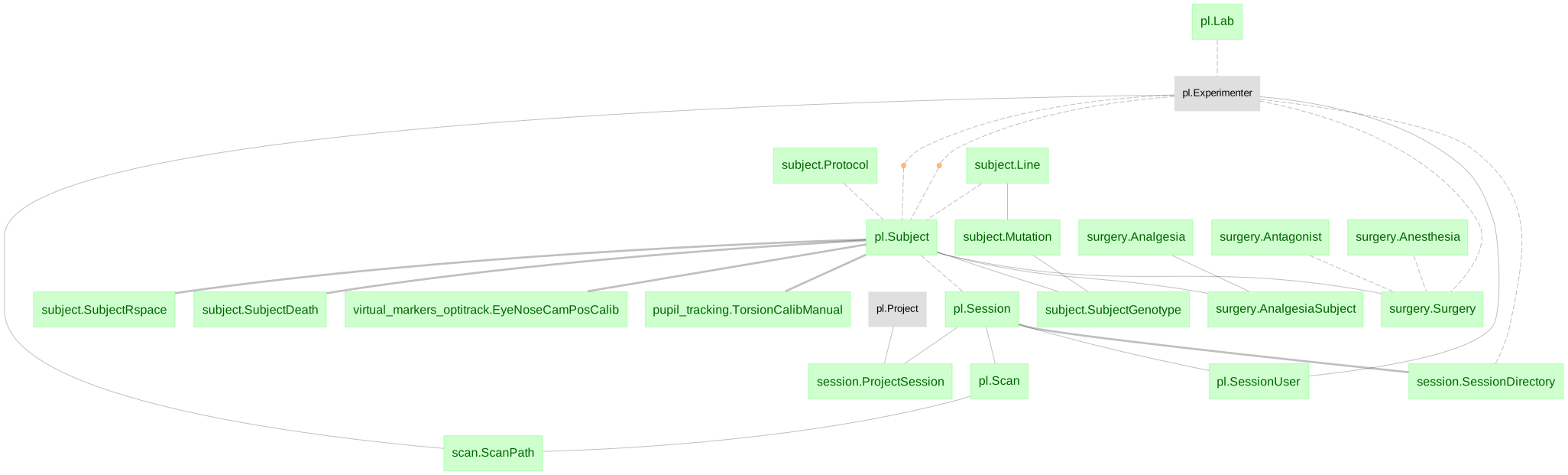
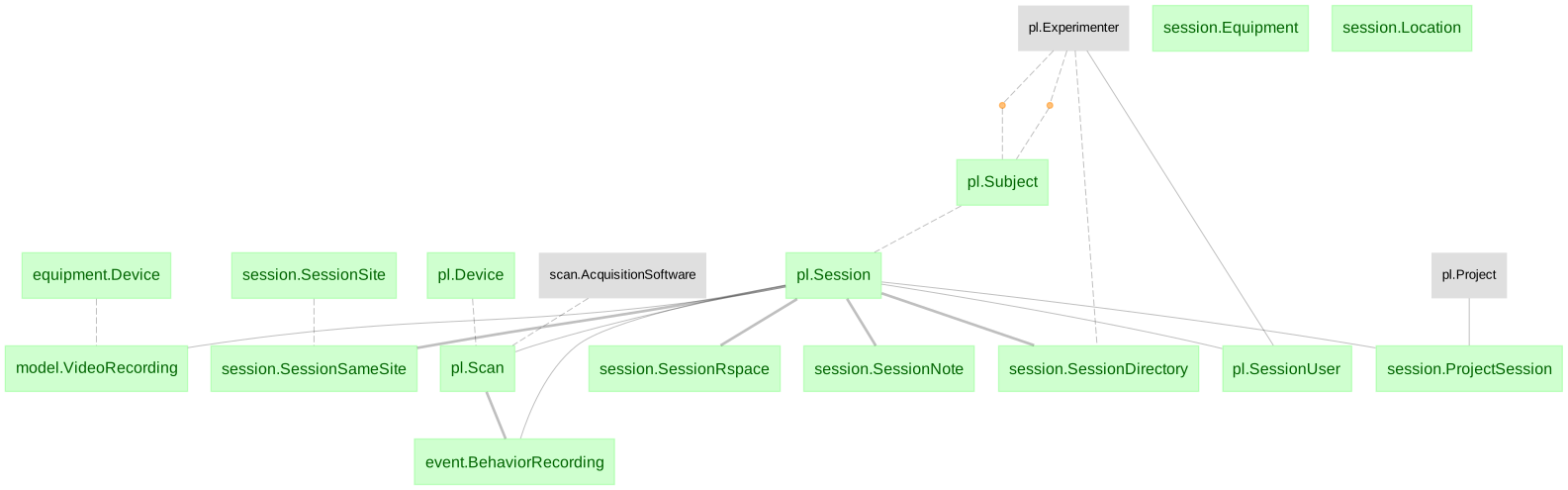
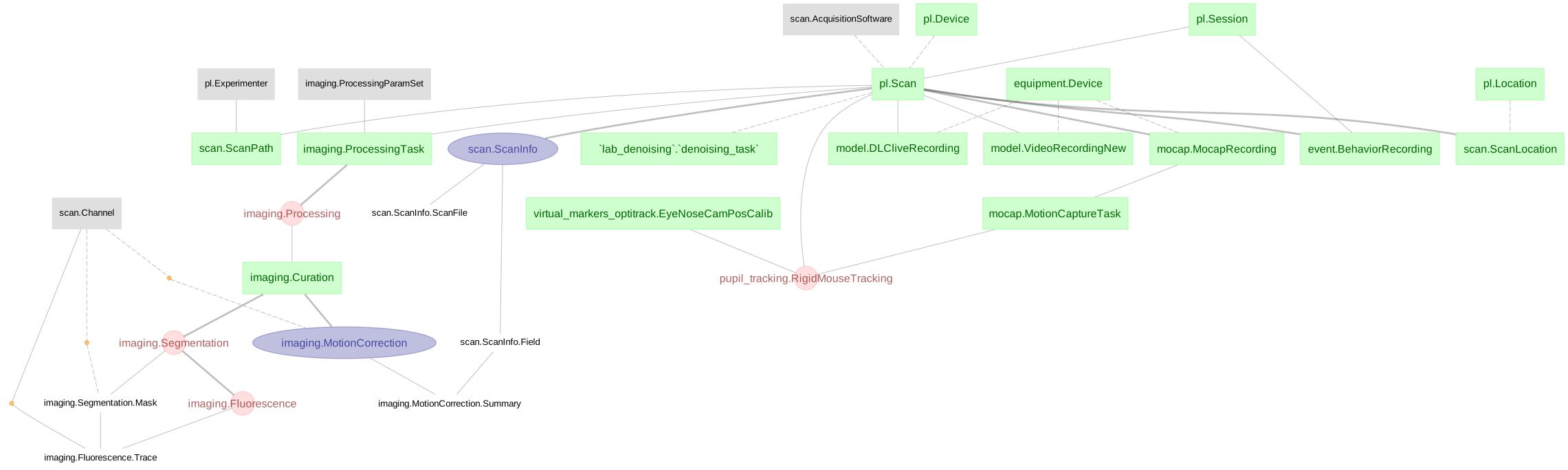
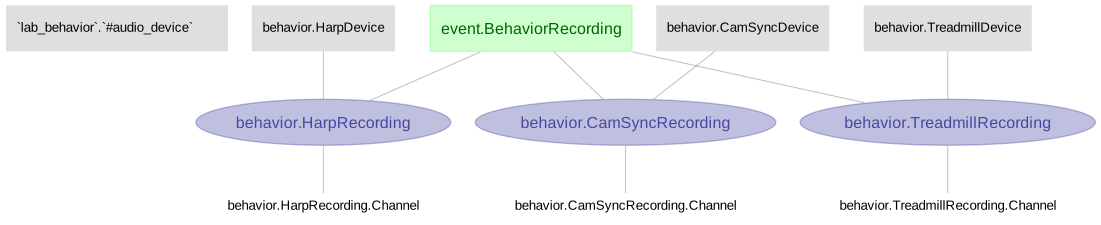
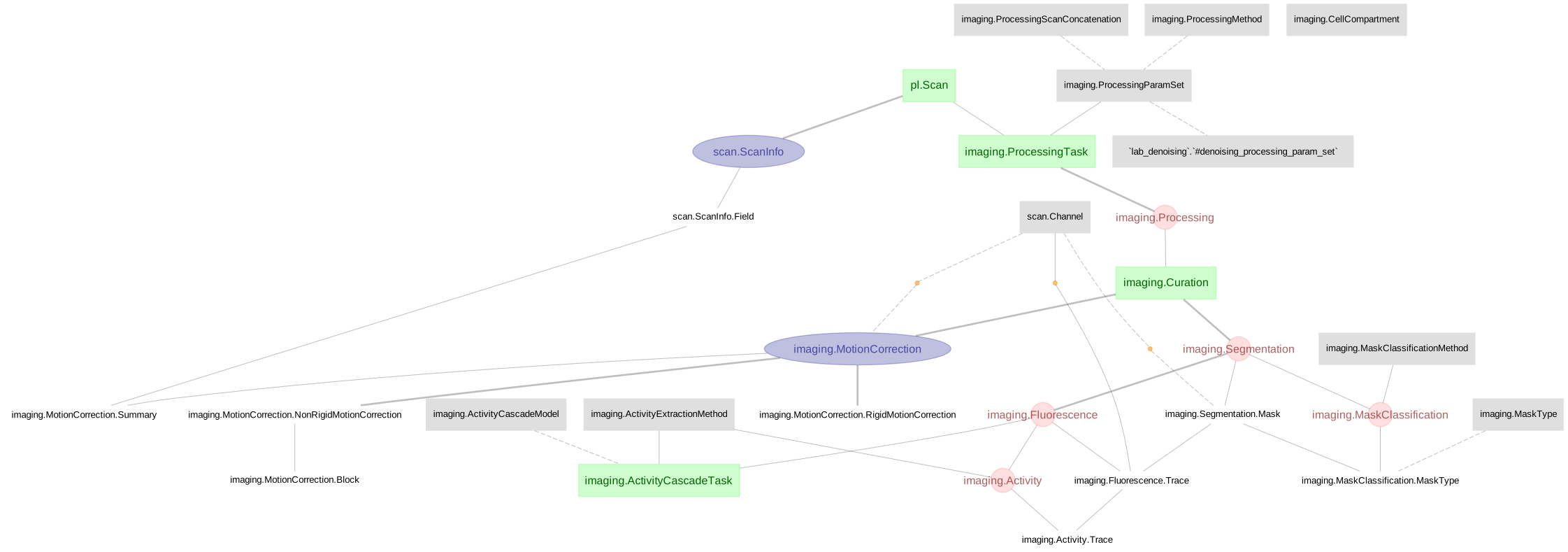
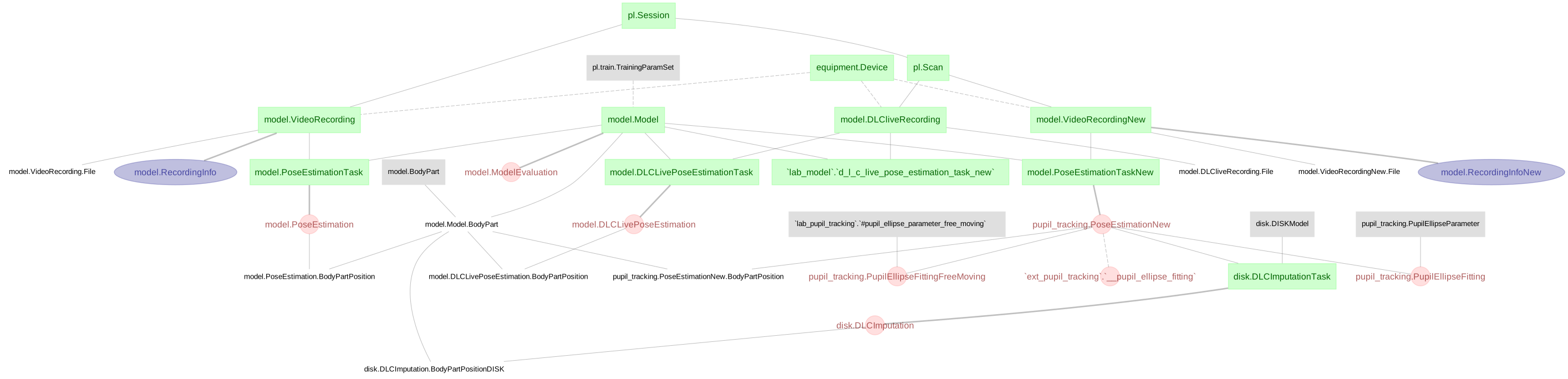
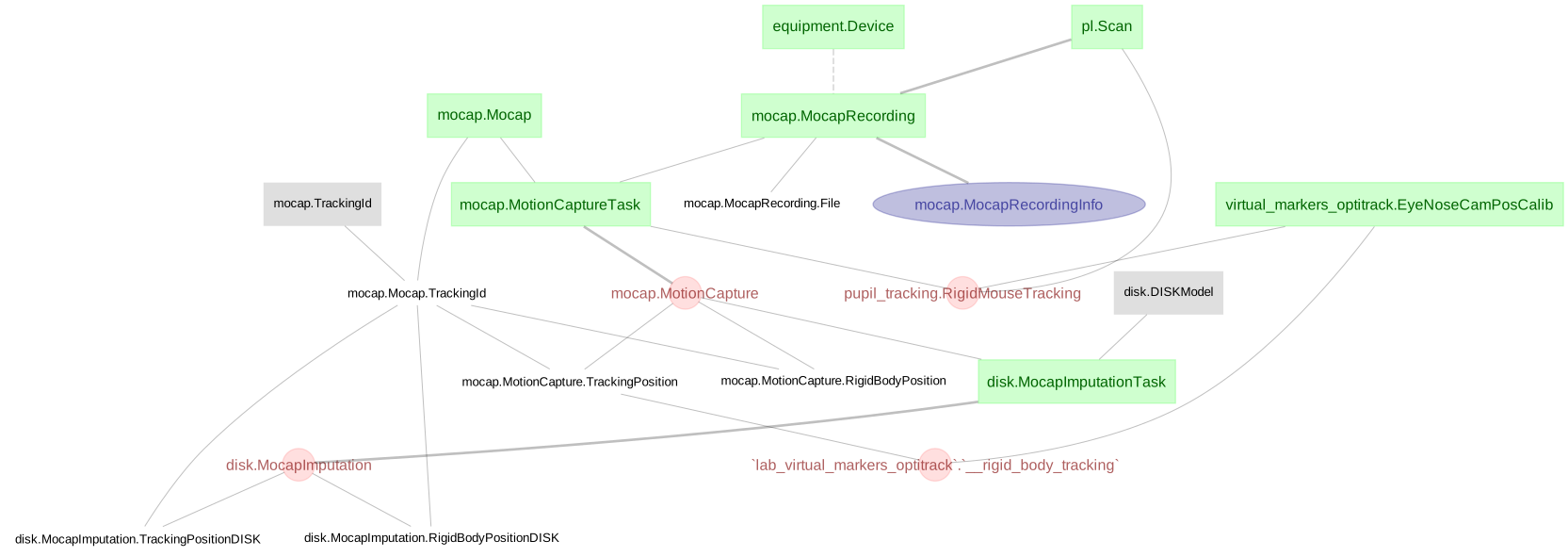
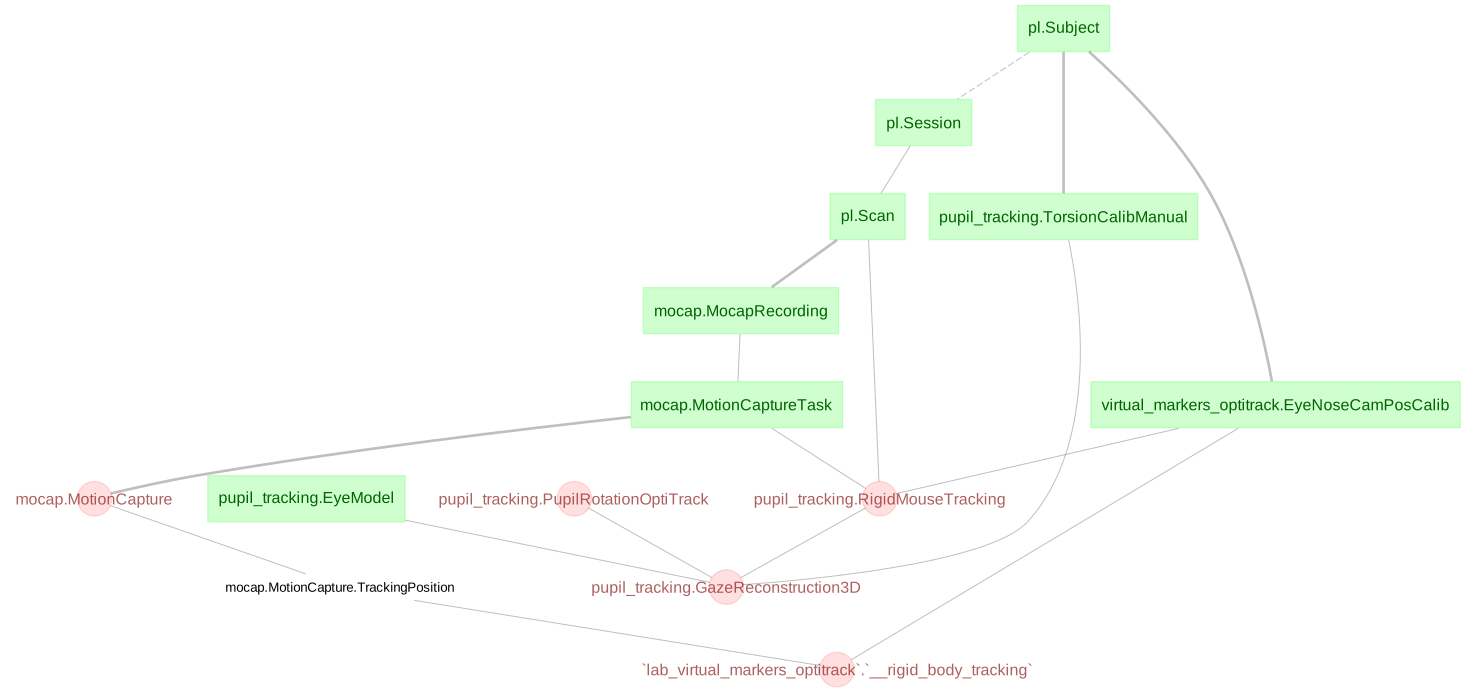
This chapter documents the ADAMACS database structure with real dj.Diagram outputs.
For table-by-table, user-facing chapters, see:
Analysis -> Schema Chapters (User-Focused)
Why this chapter exists
In the ADAMACS pipeline philosophy, schema diagrams are operational documents. They tell you:
what is allowed to depend on what
where provenance boundaries are
which keys must stay stable across reprocessing
If a join is surprising, the diagram is usually where the mistake becomes obvious.
Source of figures
Diagrams were exported from:
adamacs_analysis/notebooks/21_schema_dependency_diagrams.ipynb
The copies in this docs repo are stored under:
docs/assets/db_diagrams/
How to read these diagrams
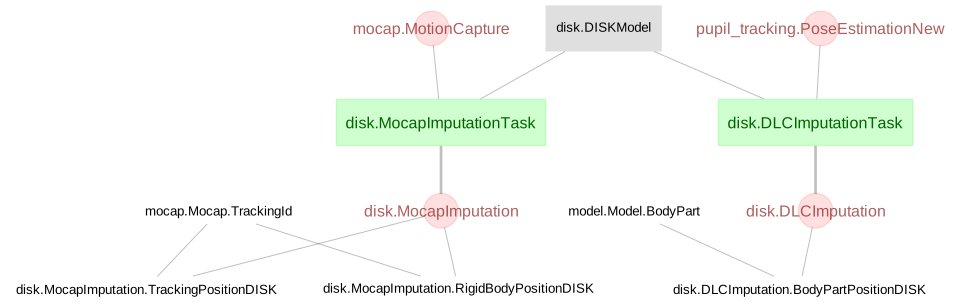
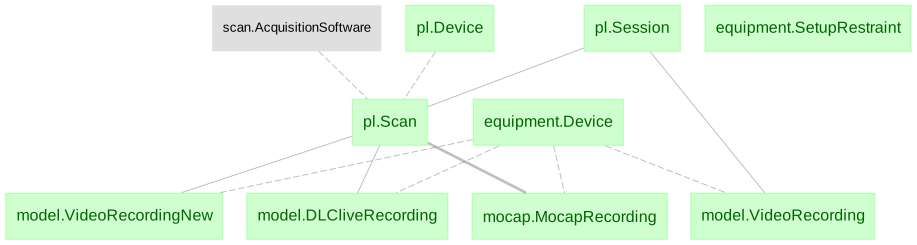
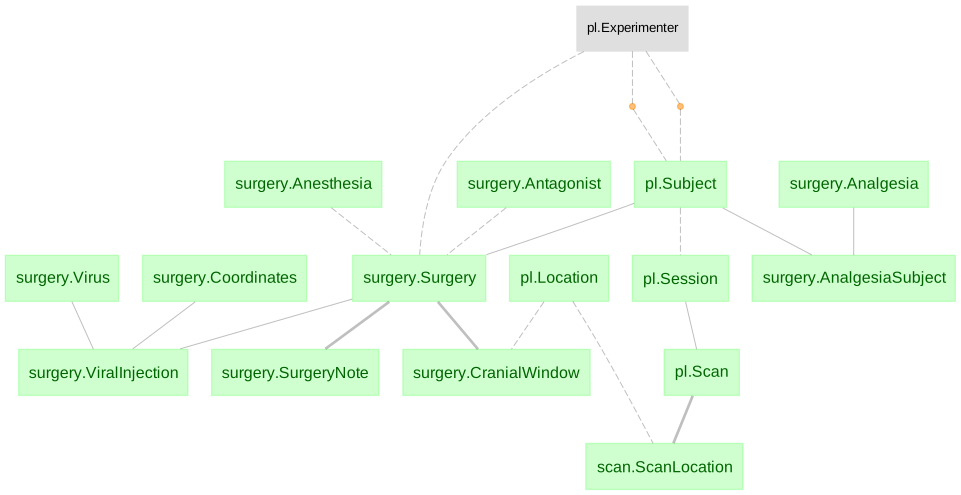
Underlined table names are manual/lookup roots.
Elliptical nodes are computed/imported tables.
Part tables appear as subordinate nodes.
Shared keys (
session_id,scan_id) are the main join backbone.
Reading strategy (recommended)
Read the chapter in this order:
subject->session->scan(identity and acquisition backbone)event+trial+behavior(time ontology and behavioral structure)imaging+model(main feature-generation branches)mocap+pupil_tracking+virtual_markers_optitrack(extended kinematic/pose branches)
Global key flow
Core schemas
Subject
Session
Scan
Event

Trial

Behavior
Imaging
Model (DLC / pose)
Extended/linked schemas
Mocap
Pupil tracking

Virtual markers (OptiTrack)
Disk
Equipment
Surgery
Practical query anchor points
Start most joins from these anchors:
session_idscan_idparamset_idx(imaging)curation_id(imaging curation path)model_name(pose/DLC)
For event/trial-specific structure, see:
Infrastructure -> Event/Trial Ontology
Guardrails for analysis code
Keep key restrictions explicit in each notebook section.
Treat label vocabularies (
event.EventType,trial.TrialType) as shared contracts.Avoid “magic” derived DataFrames that hide key lineage.
When in doubt, re-open the diagram and verify dependency direction before adding joins.